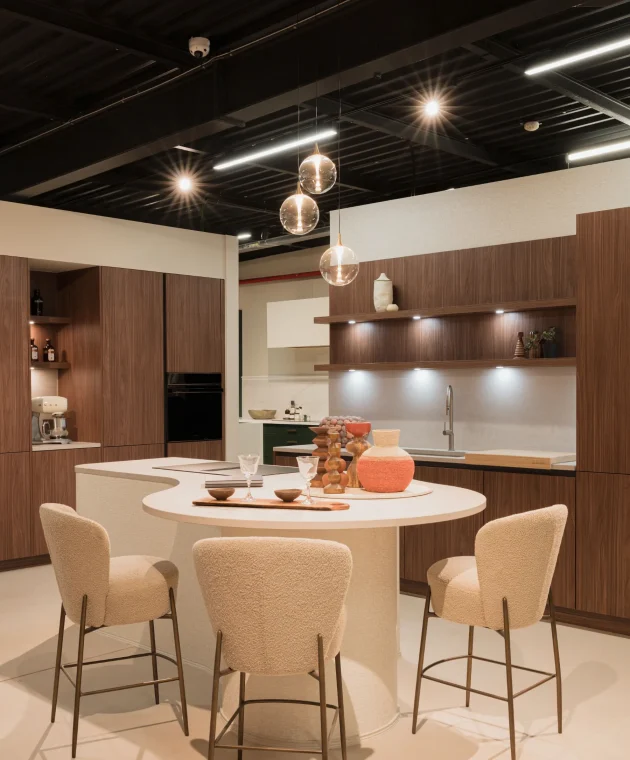
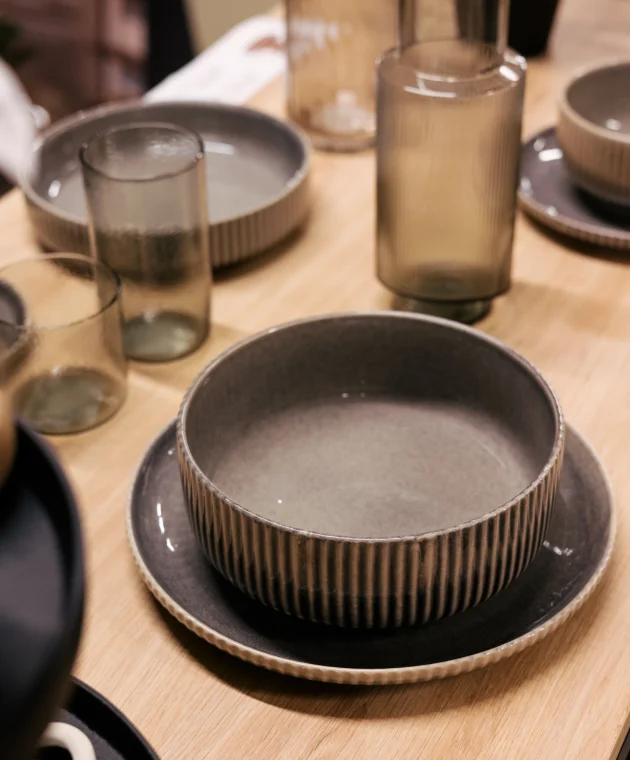
Meet Keukens de Abdij, specialists in custom kitchens where functionality and experience meet. With an eye for detail, materials, and finish, they create kitchens that are more than just a practical space—kitchens that suit the lifestyle and wishes of the end user.
From design to showroom and presentation: Maïté from Keukens de Abdij explains how they approach purchasing and the role Level D and Level C play in that process.
According to Maïté, the added value lies in the interplay between the two levels.
“For us, the greatest added value is the combination of fixed collections and direct inspiration. On Level D, we find strong brands and showroom collections for targeted purchasing, while on Level C, we can respond more quickly to trends, seasonal items, and extra accents for the store.”
This combination allows Keukens de Abdij to put together a range that is not only varied but also continues to surprise.
For Maïté, a buying day always starts with clear preparation. At TICA, we take a look at how structure and inspiration come together.
“Our ideal buying day usually starts with a clear plan of what we need for upcoming designs, showrooms, or specific themes in the store. We often start on Level D to combine appointments with brands and showrooms with targeted orders.” Then the focus shifts. “Next, we head to Level C to get inspired, discover new products, and pick up some nice additions. The great thing is that you can very efficiently combine different styles, brands, and price points in a single visit.”
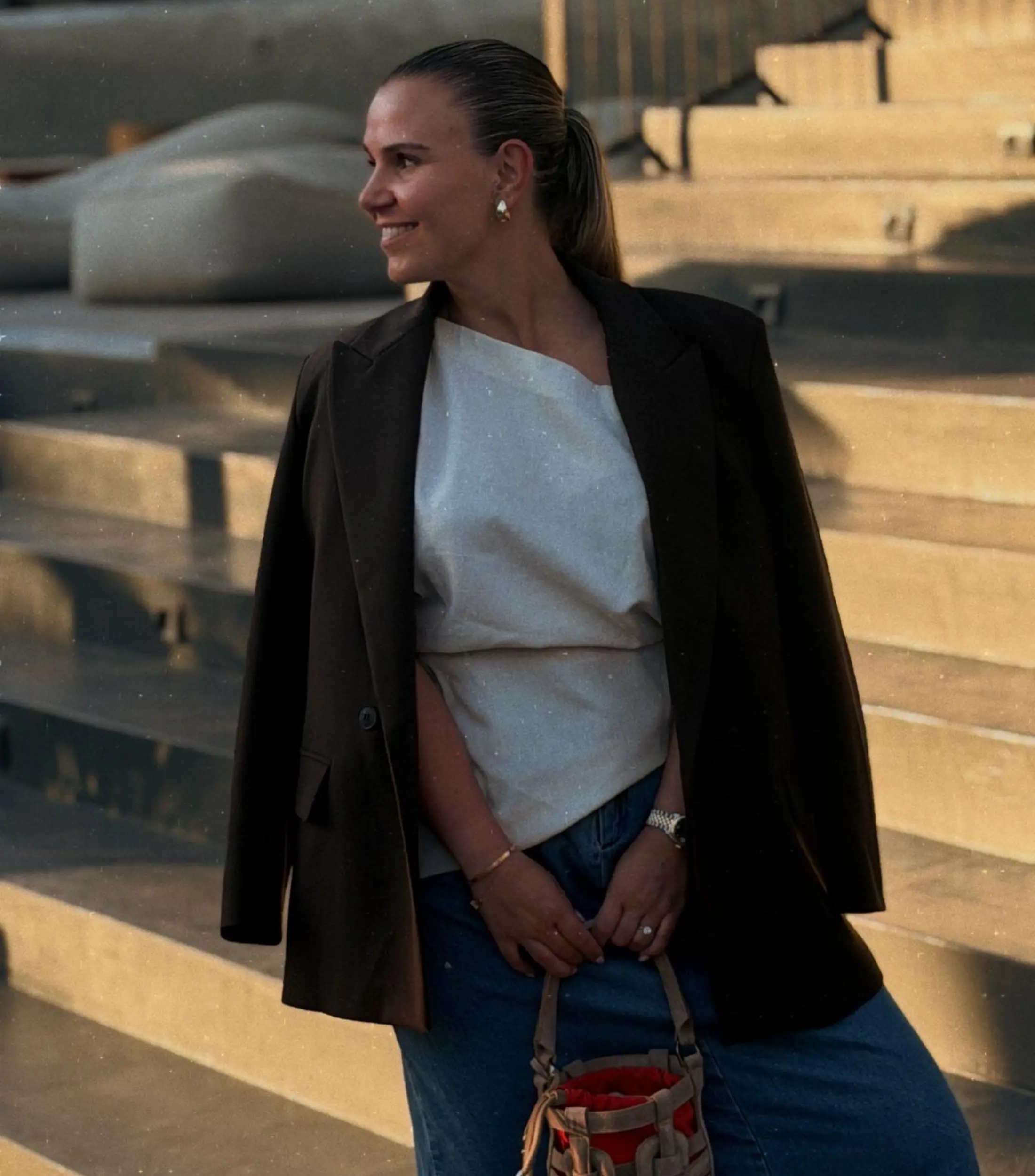
The division between the two levels is a conscious choice.
“On Level D, we mainly buy our core collections and brands we want to consciously invest in for the long term. Think of decoration, interior collections, and regular suppliers we enjoy working with.” For TICA on Level C, the focus is different. “There, we look more for trendy items, seasonal decorations, smaller accessories, and products that can quickly respond to new trends or impulse buys in the store. Level C also plays an important role during trade fairs. “For fairs, we tend to buy at TICA rather than Level D, because it needs to be faster and more time-sensitive to current trends.”
According to Maïté, inspiration comes from various sources and often arises while on the go.
“We get inspiration from social media like Instagram and Pinterest, interior trends, customer feedback, and of course, our visits to Trademart and TICA.” Walking around plays a big part in that. “While walking around, new combinations and ideas for store presentations often arise spontaneously. That makes a buying day extra inspiring.”
The impact of the combination is clearly visible on the shop floor.
“Since we started combining Level D and C, we’ve noticed that our range has become stronger and more complete. We can refresh more quickly while maintaining a recognizable style in the showrooms.”
Maïté is clear in her advice to other retailers.
“We would definitely recommend other retailers to combine both. You get the best of both worlds: on the one hand, the strong brands and professional showroom experience of Level D, and on the other, the flexibility, inspiration, and immediate availability of products on Level C.” According to her, it delivers more than just variety. “It ensures more creativity and efficiency during purchasing.”
The experience with both locations is overwhelmingly positive, with room for nuance.
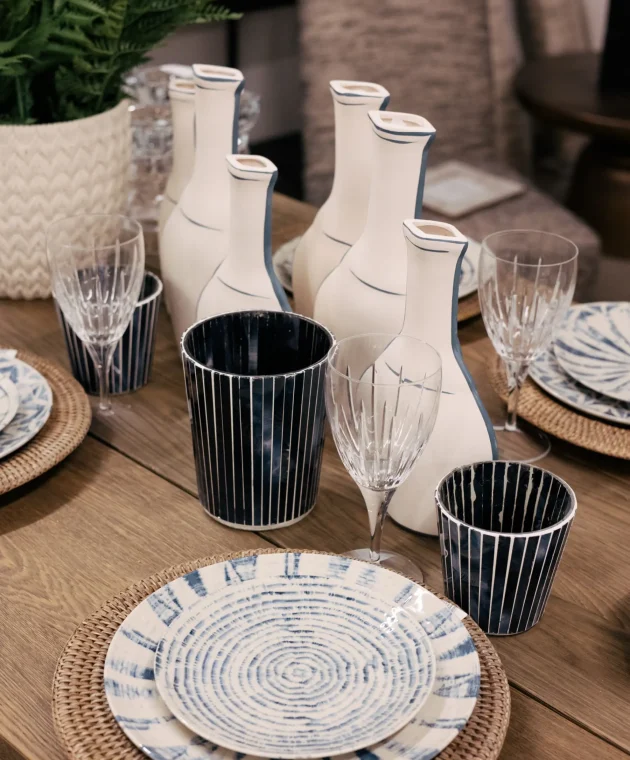
“Our experience with TICA and Trademart has been very positive. Sometimes there could be a more targeted focus on interiors, kitchenware, and kitchen styling such as tableware, placemats, and glasses.” Still, the strength of the combination is decisive. “The combination of both locations makes it possible to buy in a targeted and inspiring way during a single visit. We are particularly pleased with the strong combinations we can make with the brands and products on both Level D and Level C.”